




04 May Tombstone’s Hidden Histories and Influential Figures
The Untold Stories of Tombstone’s Streets: History Beyond the Headlines
Tombstone, Arizona, is often recognized for its infamous gunfights and storied saloons. However, beneath the surface lies a rich tapestry of untold stories that shaped this legendary Western town. These narratives, often overshadowed by more sensational tales, offer a deeper understanding of Tombstone’s unique character and heritage.
The Role of Women in Tombstone’s Development
Women played a pivotal role in Tombstone’s early days, contributing significantly to its growth and culture. Figures like Nellie Cashman, known as the “Angel of the Mining Camps,” not only invested in local businesses but also organized charitable events that supported miners and their families. Her legacy is a testament to the entrepreneurial spirit that helped build the town.
In addition to entrepreneurs, women like Mary Katherine Horony Cummings, also known as “Big Nose Kate,” left an indelible mark on Tombstone’s social fabric. Though often associated with the infamous Doc Holliday, Kate’s life story reflects the resilience and complexity of women in the Wild West.
Native American Influences on Tombstone
The land surrounding Tombstone has long been home to Native American tribes, whose influences remain evident in the region’s culture and traditions. The Apache, in particular, had a profound impact on the area’s history. Their interactions, both peaceful and contentious, with settlers shaped the dynamics of the region.
Local events like the annual Apache Spirit Run honor these cultural connections, offering visitors a chance to appreciate the rich indigenous heritage that continues to influence Tombstone today. For those interested in exploring these cultural intersections, Tombstone provides a rich tapestry of stories waiting to be uncovered.
Tombstone’s Architectural Legacy
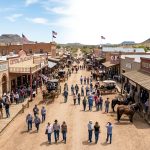
While the town is famous for its dusty streets and wooden facades, Tombstone’s architecture tells a story of resilience and adaptation. After a devastating fire in 1882, much of the town was rebuilt using adobe bricks, a material that offered greater fire resistance. This architectural shift not only altered the town’s skyline but also reflected the pragmatic spirit of its inhabitants.
Visitors can still see these historic buildings today, offering a glimpse into the past and a reminder of the town’s enduring legacy. Located just minutes from Tombstone Lookout Lodge, these structures provide a tangible connection to the town’s storied past.
Tombstone’s streets hold stories beyond the gunfights, each corner whispering tales of resilience and cultural fusion.
Stay Recommendation
For an authentic Old West experience with modern comfort, consider a stay at Tombstone Lookout Lodge. Our boutique lodge offers a unique blend of history and hospitality, making it the perfect base for exploring Tombstone’s hidden stories.
Book your stay today at Tombstone Lookout Lodge and immerse yourself in the rich tapestry of Tombstone’s history.
FAQs
What is the significance of Nellie Cashman in Tombstone’s history?
Nellie Cashman was a prominent businesswoman and philanthropist in Tombstone. She invested in local businesses and organized charitable events, earning her the nickname “Angel of the Mining Camps.”
How did the Apache influence the Tombstone region?
The Apache played a significant role in the history of southern Arizona, with their interactions impacting the cultural and social dynamics of the area. Events like the Apache Spirit Run celebrate this enduring influence.
Why were adobe bricks used in Tombstone’s reconstruction?
After a major fire in 1882, Tombstone rebuilt using adobe bricks for their fire-resistant properties. This decision was a practical response to the town’s vulnerability to fire, altering its architectural style.
No Comments