






06 May Tombstone’s Cultural Evolution: From Boomtown to Treasure
The Evolution of Tombstone’s Culture: From Boomtown to Modern-Day Treasure
Tombstone, Arizona is a living testament to the resilience and transformation of a once-booming mining town into a vibrant cultural hub. This historic enclave, famed for its Wild West legacy, has evolved dramatically since its founding in the late 19th century. The town’s ability to adapt while preserving its unique heritage is a testament to its community and enduring appeal.
A Brief History of Tombstone’s Rise and Fall
Founded in 1879 by prospector Ed Schieffelin, Tombstone quickly became one of the most notorious boomtowns in the American West. Within a few years, it was bustling with saloons, theaters, and a population eager to strike it rich. However, as silver mining declined in the late 1880s, so too did the town’s fortunes. By the early 20th century, Tombstone had dwindled into obscurity, a ghost of its former self.
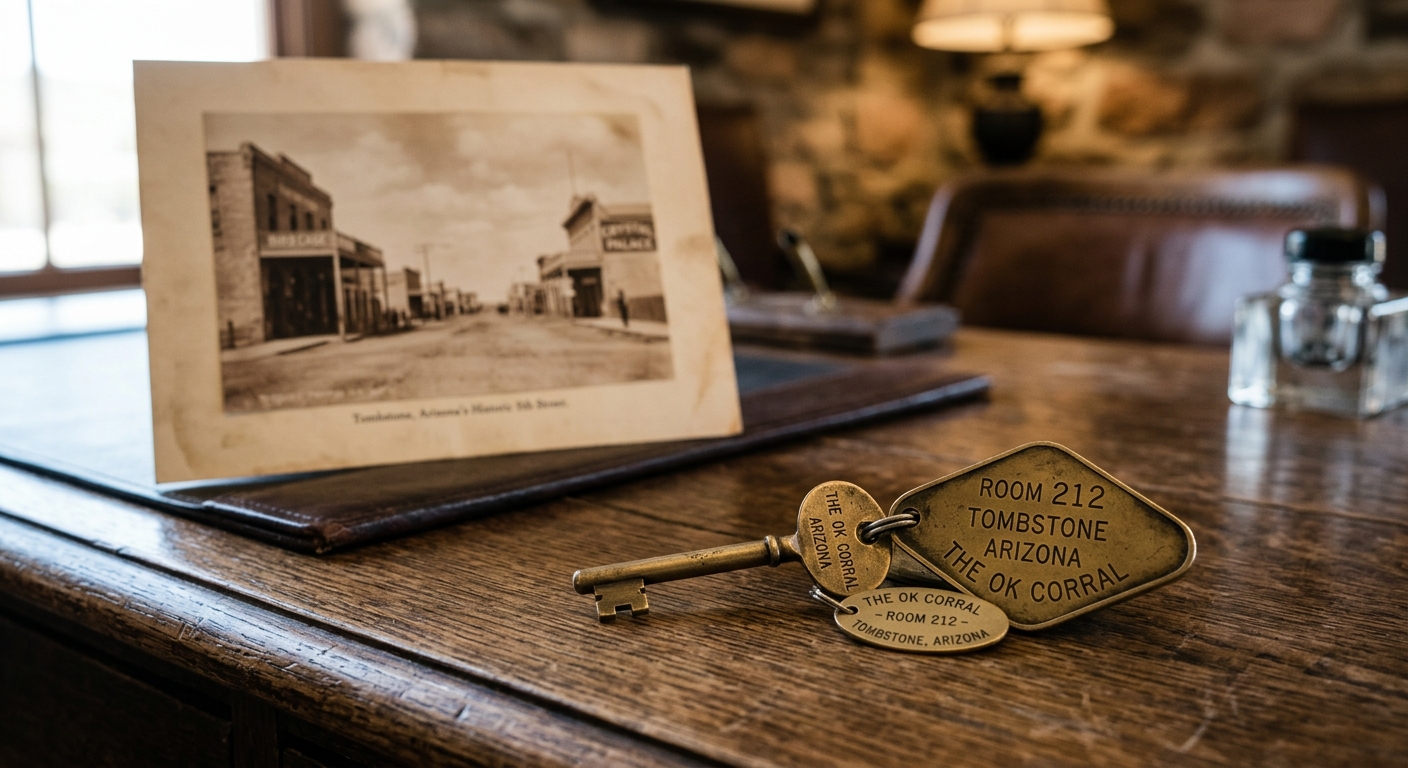
Despite these challenges, Tombstone’s spirit never waned. The town’s colorful history, including the infamous 1881 gunfight at the OK Corral, continued to capture the public’s imagination, ultimately laying the groundwork for its revival as a tourist destination.
Reviving the Old West: Tourism and Cultural Preservation
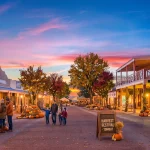
The transformation of Tombstone into a cultural treasure was sparked by dedicated individuals who recognized the value of preserving its history. In the 1920s, efforts to restore key landmarks began, turning Tombstone into a living museum that attracts thousands of visitors annually. Today, the town’s historic district offers a genuine Old West experience, complete with reenactments, museums, and authentic architecture.
Local businesses have played a crucial role in this revival, blending Western charm with modern amenities to enhance visitor experiences. Tombstone Lookout Lodge, located just minutes from the heart of town, exemplifies this blend by offering boutique accommodations that reflect the area’s rich history while ensuring guests’ comfort.
The Role of Community in Tombstone’s Cultural Landscape
Community involvement is a cornerstone of Tombstone’s cultural evolution. Local organizations and citizens work tirelessly to preserve the town’s heritage and promote its unique identity. Annual events, such as Wyatt Earp Days and Helldorado Days, celebrate the town’s storied past while engaging residents and visitors alike.
These efforts have not gone unnoticed. Tombstone’s commitment to cultural preservation has been recognized nationally, with features in publications like Smithsonian Magazine highlighting its significance as a historical and cultural destination.
Stay Recommendation
For those looking to immerse themselves in Tombstone’s rich history, a stay at Tombstone Lookout Lodge offers both convenience and comfort. Situated just a short distance from the town’s attractions, the lodge provides an ideal base for exploring the area’s vibrant history and culture.
FAQs
What is Tombstone known for?
Tombstone is known for its Wild West history, particularly the 1881 gunfight at the OK Corral, and as a preserved historic site that offers authentic Old West experiences.
How has tourism impacted Tombstone?
Tourism has revitalized Tombstone, turning it into a vibrant cultural hub that preserves its historical charm. Local businesses and events play a key role in maintaining the town’s heritage while attracting visitors year-round.
What can visitors do in Tombstone?
Visitors to Tombstone can enjoy historic reenactments, visit museums, explore authentic Western architecture, and participate in annual festivals that celebrate the town’s rich history.
No Comments